

Although it is the shortest of all fasts—lasting about twelve hours in winter and relatively easy physically—it is considered the most severe. If the Tenth of Tevet were to fall on Shabbat, one would fast even on Shabbat. Indeed, when it falls on Friday, one enters Shabbat while still fasting.
The Chatam Sofer explains why this fast is unique. All other fasts are postponed when they fall on Shabbat because they commemorate tragedies of the past. The Tenth of Tevet alone is never postponed and just as Yom Kippur overrides Shabbat, so too would the Tenth of Tevet.
The reason is fundamental: one does not fast on Shabbat over past suffering, but one does fast on Shabbat in order to avert or annul future decrees. This is why Yom Kippur and fasts connected to disturbing dreams override Shabbat—they aim to change what is yet to come.
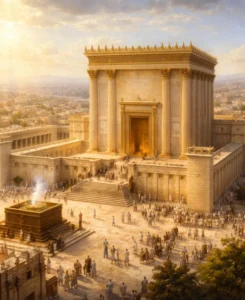
The Chatam Sofer teaches that every year on the Tenth of Tevet, God sits in judgment with His heavenly court concerning the Temple—whether the Beit HaMikdash will be rebuilt that year or not. Although the siege commemorated by this date belonged to the First Temple, the day itself was preserved for all generations because it remains a day of judgment about the future rebuilding.
Therefore each individual should devote personal time on the Tenth of Tevet to a private plea to God, asking sincerely for the rebuilding of the Temple and the coming of Mashiach. The Third Temple, as Rashi teaches, can descend complete in a single moment.